
The Art of Connection: Why Creating Together Matters at Any Age
Creative projects can bridge ages, build belonging, and spark wellbeing. Discover why making art together strengthens connection at any stage of life.

Contents
Sometimes, an idea from the other side of the world feels familiar.
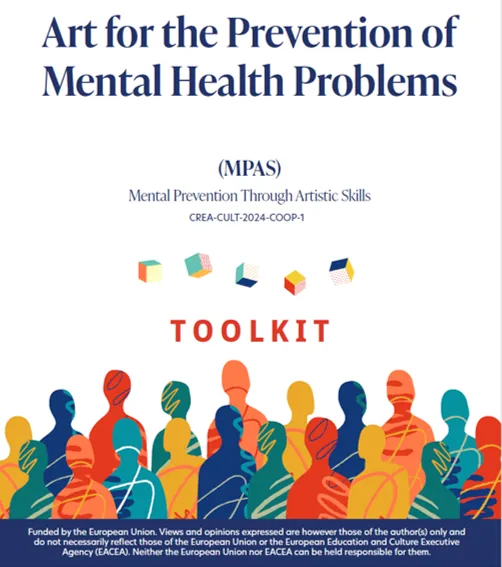
We recently received a creative toolkit from MPAS, a European project exploring artistic expression and connection among young adults. Its activities use painting, music, movement, theatre and storytelling to explore identity, belonging and life purpose.
The project works with a different age group from the older adults and families we usually meet through Artful Connections. Yet its emphasis on creating opportunities for expression and human connection caught our attention.
It prompted a question that sits close to our own work: what becomes possible when people have something creative to do together?
A Shared Interest Across Different Generations
The MPAS project focuses on vulnerable young adults aged 18–30. Co-funded through the European Union’s Creative Europe programme, it brings together organisations from Spain, Greece, Italy and Bulgaria.
Its toolkit draws on an approach called “The Art of Connection”, developed by Angeliki Ariadni-Voulgari and brought to the project through partner organisation Hopeart. Empathy, expression, generosity and vulnerability are central to that approach.
The similarity to our name is a coincidence, but the interest in connection resonates.
At Artful Connections, our starting point is practical: making it easier for older adults and the people around them to enjoy painting, independently or together.
Our work has developed separately, through Deb Shapiro’s experience as an artist, qualified art therapist and facilitator of creative sessions with older adults in aged care.
Having Something to Do Together
When you visit someone you care about, conversation does not always flow easily.
You might have already covered the family news, the weather and what happened during the week. You want to spend time together, but finding something enjoyable to share can take thought.
Painting gives the visit a shared focus.
There are colours to choose, materials to explore and a picture taking shape. You can ask about a colour someone has selected or notice a detail they have added. Conversation has somewhere natural to begin.
You do not have to keep finding the next question. The activity gives you both something to return to.
Making Room for the Individual
One of the themes explored in the MPAS toolkit is identity: how people understand and express who they are.
That offers a useful question for anyone sharing a creative activity: how much room are we leaving for the other person’s choices?
In a painting project, those choices might seem small. Someone prefers purple flowers, wants a darker sky or decides to leave part of the picture unfinished.
Yet those decisions belong to the person creating.
Artful Connections templates provide a starting point, while leaving room for different colours, details and interpretations. Deb’s video guidance offers steps to follow, with the freedom to pause, repeat or take another direction.
When painting with someone, we can show interest in their choices and let their picture develop in their own way.
Conversation Without Pressure
Our conversation cards offer prompts connected with each box’s theme. A coastal scene might bring up a favourite holiday. Flowers might lead to a story about a garden or someone who loved growing things.
There is no particular story someone needs to tell.
A question can open a conversation, or it can be left aside. Someone may prefer to talk about what they are painting today rather than something from years ago.
This matters when sharing an activity with a parent, grandparent or friend. An invitation to talk feels different from a series of questions someone is expected to answer.
The painting remains something you can enjoy together, wherever the conversation goes.
Quiet Can Be Part of Connection
Some of the most comfortable time we spend with people includes very little talking.
Think about cooking alongside someone, walking together or sitting in a garden. Being occupied in the same space can feel companionable.
Painting offers that possibility too.
You might concentrate on your brushwork for a while, exchange a comment, then settle back into what you are doing. There is no need to fill every pause.
For families, this can take some pressure out of a visit. An afternoon does not need to be full of conversation to feel worthwhile. Sometimes, being present and sharing an activity is enough.
What Deb’s Experience Brings to the Box
Deb’s work with older adults in aged care informs how Artful Connections projects are designed and presented.
The guided templates offer a clear place to begin. Materials arrive together, and the videos demonstrate the painting in manageable steps. Participants can work at their own pace and return to a project another day.
These features also help the person sharing the activity. You do not need to prepare an art lesson or know how to paint.
You can sit alongside someone, follow the guidance together and offer help when it is wanted.
The boxes are guided creative activities for everyday enjoyment. Deb’s professional background informs their design, while the experience stays focused on painting, choice and shared time.
An Opportunity Across Generations
The MPAS toolkit is designed for young adults, while Artful Connections focuses on older adults and the people who care about them.
For us, the interesting bridge is the possibility of different generations creating together.
An adult daughter might paint with her father. A grandchild might join a grandparent. Both can make choices, try something unfamiliar and discover a different approach from the person beside them.
Neither needs to be the expert. The shared experience can include encouragement, curiosity and the occasional laugh when something unexpected happens.
Explore the Ideas, Enjoy the Moment
The free MPAS toolkit may interest artists, educators and creative facilitators. Its audience and mental health prevention aims differ from our guided painting gift boxes, but it offers an opportunity to reflect on creativity and connection.
For families, the invitation can be much simpler: choose something to create, make a little time and see what unfolds.
There may be stories, laughter or comfortable quiet. There will be individual choices and a picture that belongs to its creator.
Explore Artful Connections Guided Painting Gift Boxes and find a starting point for your next creative moment together.